

Why Am I Waking Up at 3 AM? Sleep and Hormones

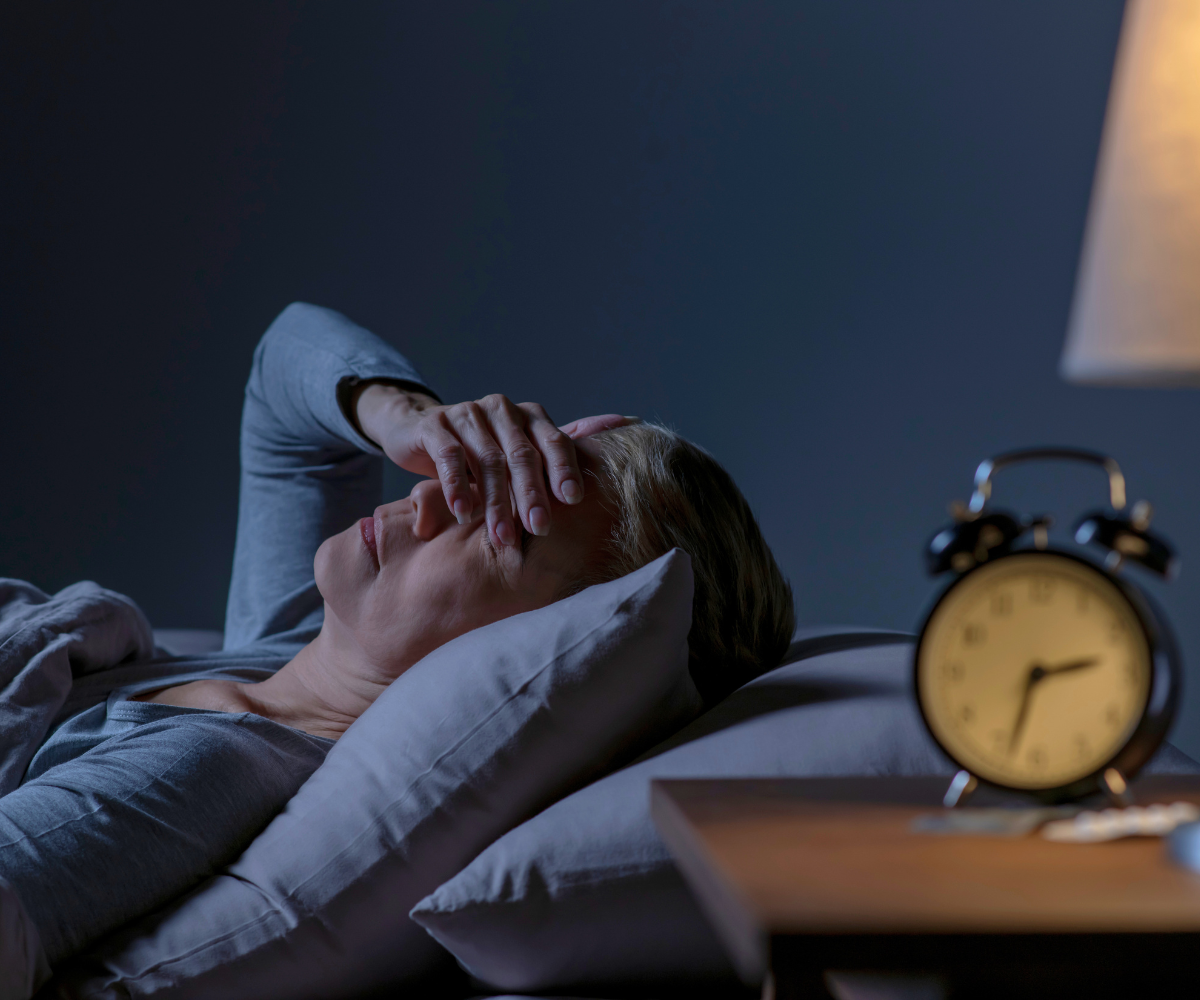
Your hormones could be impacting your sleep.
If you keep waking up at the same time every night—often 3 or 4 AM—and can’t figure out why, you’re not alone. This is one of the most common complaints Defy Medical providers hear from patients who are navigating hormonal changes.
This article covers what’s actually happening in your body at that hour, why it happens more during perimenopause or andropause, and when it’s worth testing your hormones.
What Is the 3 AM Wake-Up?
The 3 AM wake-up is a middle-of-the-night awakening that happens consistently around the same time, night after night, rather than random trouble falling or staying asleep. It may be earlier or later, but it’s a repeated pattern.
Patients often describe feeling suddenly wide awake, sometimes with a racing heart or a warm flush, even when nothing in the room has changed.
It typically isn’t a sleep disorder in the traditional sense. It’s often a hormonal signal disrupting a stage of sleep that should otherwise stay uninterrupted, and it shows up in both male and female patients.
Why Does This Happen at That Specific Hour?
Cortisol naturally rises in the hours before you wake, part of a daily rhythm called the cortisol awakening response. When that rhythm is disrupted by hormonal changes, chronic stress, or blood sugar swings, the rise can happen hours earlier than it should.
Instead of a gradual Cortisol rise around 6 or 7 AM, some patients experience it closer to 3 AM, which is enough to pull the body out of deep sleep. Falling back asleep can be difficult once that happens, because Cortisol makes us feel alert and watchful.
This pattern isn’t specific to one gender, since Cortisol regulation works the same way in men and women.
What Role Do Sex Hormones Play?
Cortisol isn’t the only hormone involved in late-night sleep disturbances. Declining Estrogen and Progesterone in women, and declining Testosterone in men, can both interact with sleep and stress.
Estrogen and Progesterone in Women
Progesterone typically has a calming effect on the nervous system. It supports a neurotransmitter called GABA, which helps the brain settle into and stay in deep sleep.
As Progesterone declines, that calming effect fades, and sleep becomes lighter and easier to disrupt. Estrogen fluctuations add another layer, most directly through night sweats and hot flashes that wake patients outright.
Even when a hot flash isn’t the obvious trigger, shifting Estrogen levels can affect the sleep-wake cycle.
Research shows that disrupted sleep is one of the most commonly reported symptoms among women in the menopause transition, ranking alongside hot flashes and mood changes.
Testosterone in Men
Testosterone production is closely tied to sleep. Most of a man’s daily Testosterone is produced during deep and REM sleep. In addition, Testosterone helps to reduce cortisol which leads to less restlessness and fewer late-night wakeups.
So, Testosterone is necessary for sleep, and sleep is necessary to produce Testosterone.
As Testosterone declines with age, sleep tends to become lighter and more fragmented. That fragmentation then reduces the amount of deep and REM sleep available for Testosterone production, which reinforces the decline.
Men experiencing andropause often report the same middle-of-the-night wake-up pattern as women in perimenopause and menopause. Male patients frequently mention it alongside low energy, libido and sexual function issues, and mood changes.
Why Does This Happen More During Perimenopause and Andropause?
Perimenopause is when Progesterone and Estrogen levels begin to fluctuate unpredictably, often years before true menopause. This instability is why disrupted sleep is frequently one of the earliest perimenopause symptoms patients notice.
Andropause follows a slower, more gradual timeline, but the underlying pattern is similar. As Testosterone declines, sleep disruption is often one of the first symptoms a man notices. It’s typically discussed alongside symptoms like low libido or fatigue.
Patients of any gender often describe it as their sleep “breaking” for no clear reason. In many cases, the reason is a hormone shift that hasn’t been identified yet through blood testing.
Does Blood Sugar Play a Role, Too?
Blood sugar can drop overnight, especially several hours after the last meal of the day. When glucose dips too low, the body releases Cortisol and adrenaline to bring it back up, which can be enough to wake a person from sleep.
This pattern shows up more often in patients with insulin resistance or blood sugar swings during the day, regardless of gender. Stabilizing blood sugar earlier in the evening is often useful in solving blood-sugar related sleep interruptions.
What Can Help Before You Get Tested?
A few habits can ease the pattern while you’re working with a provider to identify the underlying cause:
- Keep a consistent bedtime and wake time, even on weekends.
- Limit alcohol and caffeine in the hours before bed.
- Eat a protein-containing dinner rather than a carbohydrate-heavy one, to reduce overnight blood sugar swings.
- Keep the bedroom cool, since a lower temperature can ease hot flash-related waking.
These steps may help, but they likely won’t solve the issue if hormones are at play.
How Defy Medical Approaches Sleep-Disrupting Hormone Changes
Defy Medical starts with a comprehensive hormone panel to check whether hormones like Progesterone and Estrogen in women and Testosterone in men are the cause.
Our comprehensive lab testing also checks over 50 biomarkers to get a full picture of your hormonal and overall wellness. This panel screens for potential thyroid conditions, as well, which often cause similar symptoms to sex hormone deficiency.
Because sleep disruption often overlaps with other symptoms, our providers evaluate the full picture rather than treating the wake-up on its own. From there, our providers build an individualized protocol based on your lab results, goals, and other relevant symptoms.
Do All 3 AM Wake-Ups Mean a Hormone Problem?
No—sleep apnea, anxiety, alcohol close to bedtime, caffeine consumption in the evening, and certain medications can all cause the same problem.
A comprehensive hormone panel is worth considering when the wake-up is consistent, happens most nights, and lines up with other hormone-related symptoms.
In women, these symptoms include:
- Fatigue
- Hot flashes and night sweats
- Irregular or missed periods
- Low libido
- Mood swings or irritability
- Brain fog and trouble concentrating
- Sleep disruption
- Weight gain, especially around the midsection
- Hair thinning
- Vaginal dryness
In men, these symptoms include:
- Low libido and erectile dysfunction
- Reduced muscle mass
- Increased body fat
- Fatigue
- Mood changes or irritability
- Brain fog and trouble concentrating
- Depression
- Loss of motivation or drive
- Hair loss
Defy Medical’s providers look at the full constellation of symptoms rather than testing hormones in isolation.
How Long Does This Problem Usually Last?
Whether the underlying driver is perimenopause/menopause or andropause, the pattern can persist for months or years. It often comes and goes as hormone levels continue to fluctuate and decline through the transition.
Patients who address the hormonal driver, rather than just the symptom, typically see the pattern improve as part of a broader individualized protocol. Waiting it out isn’t the best option for most patients, especially with how lack of sleep can further impact hormone production.

Hormone Optimization with Defy Medical
Defy Medical offers access to individualized Hormone Therapy for women and Testosterone Replacement Therapy for men, for patients experiencing sleep disruption and other symptoms of hormonal change.
Patients begin with a consultation and comprehensive labs. From there, our providers build a protocol tailored to the patient’s individual needs, with ongoing monitoring to assess response and adjust as needed.
Get StartedRelated Health Articles

FDA to Remove Outdated Warnings on BHRT Medications
The FDA announced that it will remove black box warnings from BHRT estrogen products. These warnings are based on outdated research.
Learn More About FDA to Remove Outdated Warnings on BHRT Medications
What is Perimenopause? Symptoms, Timeline, and When to Test
Perimenopause is the hormonal transition before menopause. For most women, it starts earlier and feels different than expected.
Learn More About What is Perimenopause? Symptoms, Timeline, and When to Test
Does Testosterone Make You Gain Weight?
While low Testosterone can lead to weight gain, TRT typically promotes weight loss and improved body composition when properly managed.
Learn More About Does Testosterone Make You Gain Weight?